Drastic Solutions
Senior engineers & scientists for systems that touch the messy real world
Writing software is easy. Making it accurately reflect reality is hard.
We design, diagnose, and rescue software operations where they meet infrastructure, automation, scientific models, and physical spaces.
We’ve solved weird problems for tech giants, governments, and startups on the cutting edge of biotech, remote sensing, and physical AI.
When to call us
Your software has to understand something real. Imagery, sensors, telemetry, or scientific models have to become information your operation can act on.
Your software has to control something real. Robots, instruments, industrial machinery, and vehicles need software around them that behaves the same way twice.
Your answers have to be defensible. Someone needs to know where the data came from, which version of which model produced it, and whether it can be reproduced.
Nobody owns the whole system. The application team, the data team, the scientists and operations each own a piece. The failures are in the handoffs.
Failure is expensive. The software affects infrastructure, field operations, regulated activity, or capital decisions.
What we work on
Physical systems. Robotics, laboratory automation, industrial and building systems, IoT connected devices, and the cloud architecture around them.
Geospatial and Earth observation. Satellite and aerial imagery, change detection, sensor normalization, and spatial/temporal data pipelines.
Scientific systems. Climate, environmental, and physical models moved out of research code and into reproducible production services.
Evidence and verification. Systems where a conclusion has to stay attached to the observations that support it, for compliance, monitoring, or diligence.
Reproducible infrastructure. Development and deployment environments that behave the same on a laptop, in CI, in the cloud, and in the field.
How we engage
Assessment. Expert review of a system or a decision that has stopped making sense. Ending in a written report of what went wrong, what it will cost to fix, and what to do first. One to three weeks.
Strike team. A small principal-led team assembled around one difficult outcome. Typically four to eight weeks.
Proof of concept. You have an idea but don’t know how or if it will work. We figure out what’s possible, build V1 of the hard parts, and give your team a roadmap to full productization.
Independent verification. Technical analysis and engineering due diligence for investors, lenders, insurers, and boards. We assess whether a physical or technical claim is supported by the evidence, and show our work.
Triage. Your systems are on fire (literally or metaphorically). We take immediate steps to put it out, and put your team on the road to full recovery.
Then we leave. We are not interested in making ourselves permanently necessary. The goal is that your problem stops existing.
Who you’re getting
This is the whole team. Six principals, each with 20+ years industry experience.
We don’t pad our engagements with an army of juniors. The people you see here will be the ones directly solving your problem.
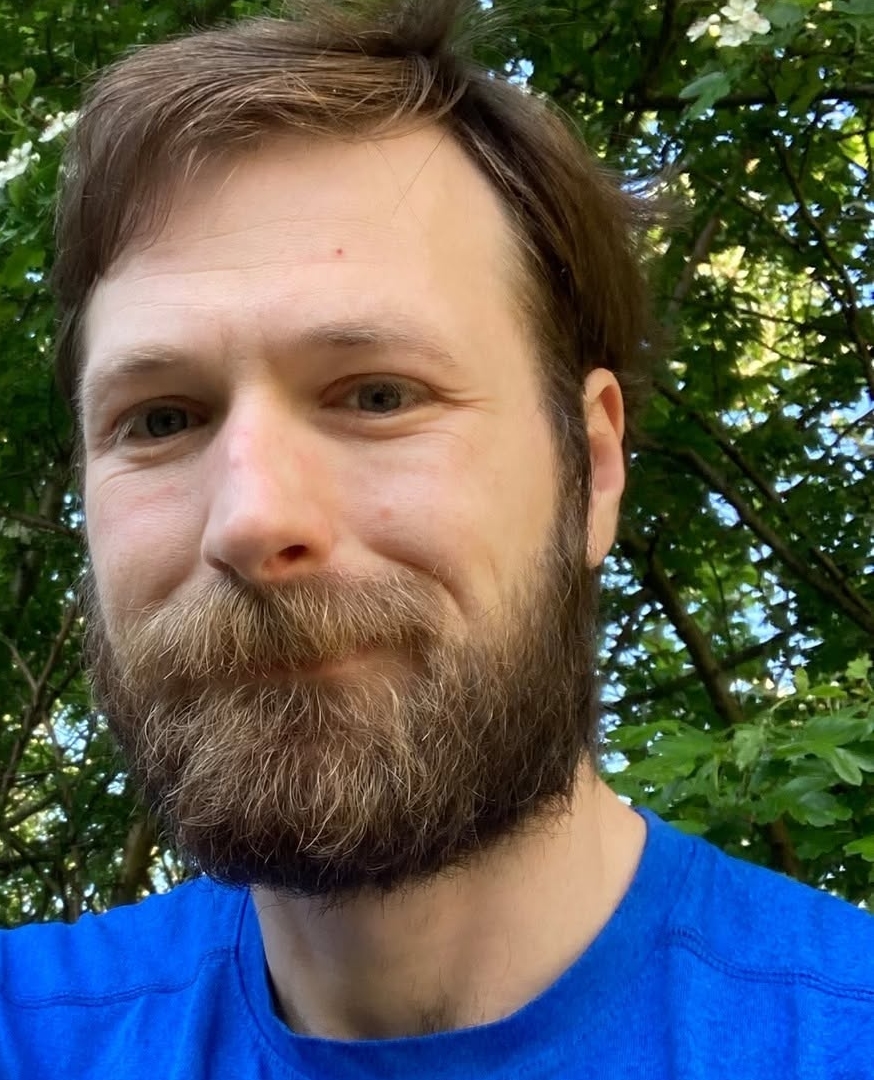
Chris Black
Climate science · soil systems · environmental modeling · validation
PhD in biology. Climate, soil physics, carbon and environmental modeling. Expert on what a physical model can and cannot legitimately be used to claim. Prime contractor for state of California’s cropland carbon monitoring consortium, model validation team at Indigo Ag.
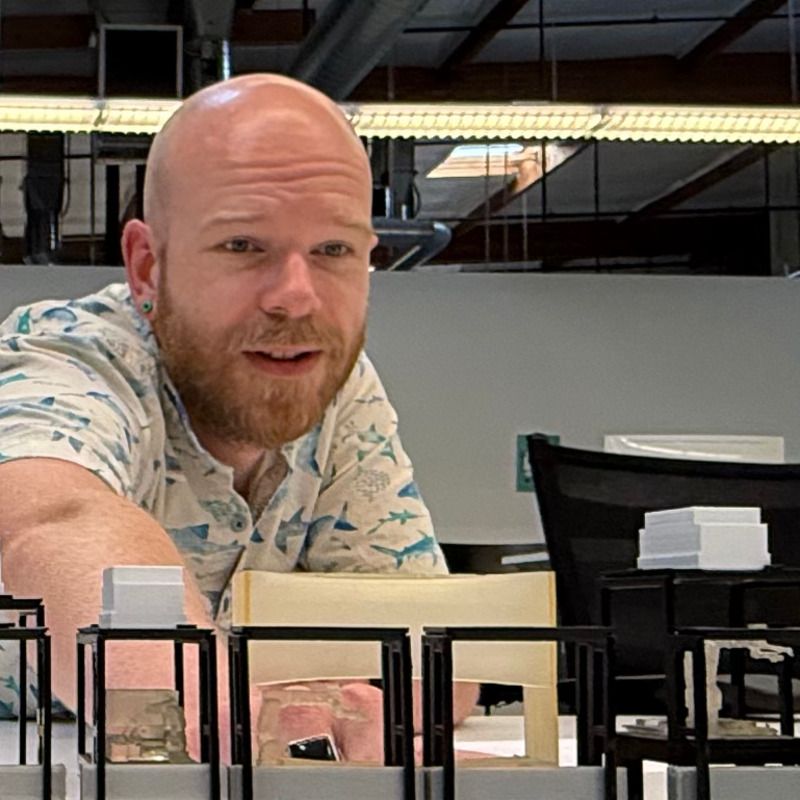
Joshu Coats
Edge computing · reliability · embedded systems · laboratory automation
Runtime systems reliability at Twitter, Observability at Stripe. Technical lead on dynamic scheduling for robust, modular lab automation for autonomous labs at Ginkgo Bioworks.

Adam DiCarlo
Product engineering · user interface · internal developer tooling · observability
Software expert among software experts. Provably reliable code and methodologies, reproducible atomic deployments. Early engineer at New Relic, Open Source contributor to NixOS & Elm.

Charlie Loyd
Earth observation & remote sensing · image processing · geospatial · data pipelines · ML
Extracts information from imperfect observations. Has worked with the whole data product lifecycle, from sensor models to customer feedback. Inventor of novel algorithms and processing approaches for satellite imagery, including pioneering work at Mapbox.

Aria Stewart
Bioinformatics · semi-structured system visualization · systems & service design · post‐quantum cryptography
Builds tools and strategies for systemic understanding of complex systems, and systems for managing heterogenous, partially‐linked data. Human–system, system–system, software–system & hardware–system interfaces. Platform team at PayPal, web team at npm. Prolific open source contributor.
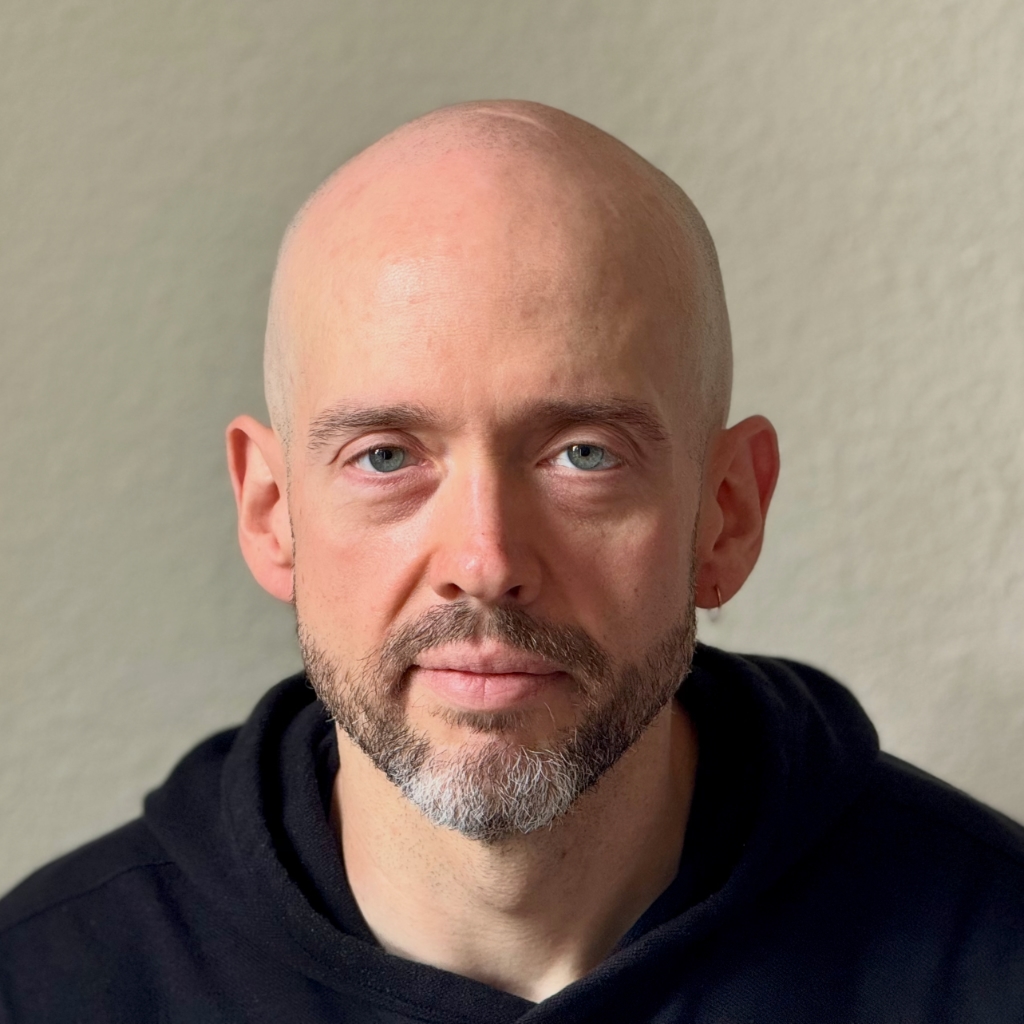
Nick Tau
Systems architecture · APIs · physical AI · engineering process & culture · fractional CTO
Engineering executive and hands-on architect. Platform leadership at Amazon, Meta. Enterprise scale engineering at Atlassian. Startup veteran.
If your problem warrants it, we’ll also call upon our deep network of subject matter experts on everything from DevOps to theoretical physics. We can handle that relationship, or put you in touch directly.
Why clients contact us
“The satellite says one thing and the field team says another.”
“The robot only develops this failure after six hours in production.”
“We trust our model, but we need to prove it to the auditor.”
“The software works ... on this one specific machine we can’t replace.”
“Our data is deterministic, but the AI is not. How do we prevent hallucinations?”
“Our important information lives in imagery, PDFs, spreadsheets, sensors, and one person’s head.”
If you have a dire problem but can’t figure out how to phrase it as a normal job description, it’s a good time to reach out.
You’ve tried being reasonable at the problem. Now try us.
Tell us what’s happening, or what you need to have happen. A paragraph is fine to start. We’ll take it from there.